Let me start with a question that makes a lot of advisors uncomfortable, usually because they already know the answer.
Are you a sales organization?
Not “do you sell.”
Not “do you get referrals.”
Not “are you good with people.”
Are you actually running your business as a sales organization?
If you own your practice, or operate independently enough inside a larger institution that your results are your responsibility, this isn’t a theoretical question, it’s operational. If you work with business owners, or want to, you don’t get to dodge it.
Every one of your best clients already knows the answer for their own company:
They are sales organizations.
They may dress it up as growth, strategy, culture, or vision. They may never use the word sales out loud, but strip everything away and it’s still true. Their business exists to create revenue, predictably, ethically and repeatedly.
The only people who call themselves marketing organizations are the ones who sell marketing…everyone else grows, survives, or dies based on sales.
Most advisory firms will say, “I don’t want to be salesy.” What they usually mean is, “I don’t want to be needy, awkward, or transactional.”
Fair enough, but what replaces that mindset is rarely intentional. Instead, they drift into accidental sales.
- Surprise referrals.
- Hope-based pipelines.
- Activity that feels productive but isn’t controllable.
At the end of the year most companies measure outcomes: revenue, growth, new clients. Many of them do so without ever having designed a business capable of reliably producing those outcomes.
Sales didn’t fail them. They never built for it.
Here’s the first thing most people get wrong. Sales is not pitching. Sales is not closing. Sales is not asking people for money. Sales is the entire system by which your business functions:
- Who you choose to serve.
- How you identify them by name, not by demographic.
- How you earn the right to be in conversation.
- How you assess fit without pressure.
- How you deliver value before money changes hands.
- How you onboard ideal clients.
- How you serve.
- How you communicate.
- How you retain.
- How you get talked about when you’re not in the room.
That’s sales.
Great businesses don’t just happen to “do sales.” They are built around it and the best ones do it cleanly, transparently, and with full intention.
This is why your clients, not your external centers of influence, are the foundation of everything.
Everyone wants referrals from CPAs, attorneys, bankers, and consultants. Those relationships matter, but they are not the core. Your clients are the only true centers of influence for you and your company because they are the only people who can answer the three most important questions that actually matter in sales:
- Why should I meet with you
- Why should I buy
- Why should I refer
No external COI can answer those questions with credibility unless your clients already can.
I work with successful advisors every day. Many of them have strong client bases, significant liquid net worth, and steady referral flow…and almost all of them share the same quiet anxiety. They believe/hope referrals will keep coming. They expect referrals will keep coming. They have years of evidence that referrals have come, but they don’t actually know.
- They don’t know what to do when the pipeline tightens.
- They don’t know where to apply pressure without feeling desperate.
- They don’t know how to create certainty.
Surprise referrals feel great, but they’re dangerous. Survival is a result, not a strategy.
This shows up especially hard with CEPAs (Certified Exit Planning Advisors), whether you’re newer and launching into advisory work or experienced and layering exit planning into an existing practice. The problem is the same in both cases: top-of-funnel confidence.
If you don’t know exactly who to go to (by name), how to go to them, and what to do next when business slows, you don’t have a sales organization. You have a momentum and hope based project.
Hope is not storm-proof
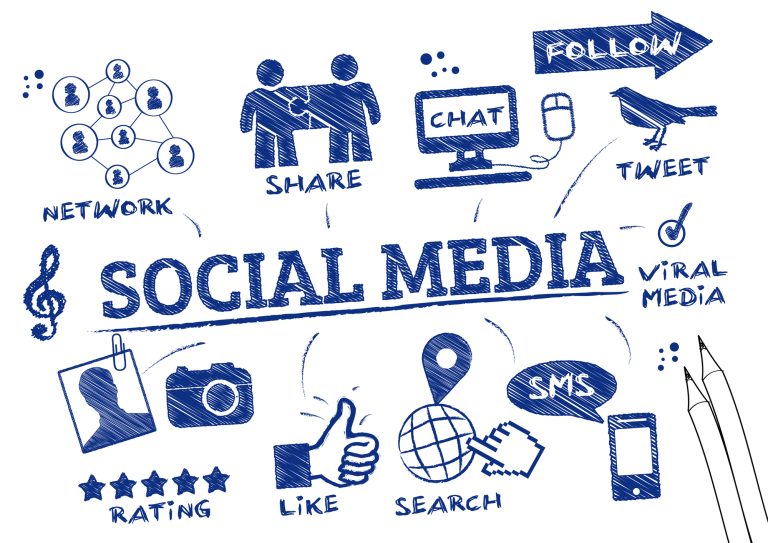
This is where most people make the wrong turn and reach for more of the tech based marketing that is ruining the buyer experience.
- Social media.
- Email funnels.
- Ads. Content mills.
Some of it works, but only in two ways: either it gives you enough repetition so you eventually get better at explaining what you do, or it throws enough volume at the wall that you accidentally hit someone who is already in the market.
Neither creates confidence. Neither is controllable. And neither is necessary.
You don’t need more platforms. You need more certainty.
Real sales organizations don’t obsess over tactics. They obsess over math and sequence. They know, explicitly:
- How many ideal meetings they need
- Exactly who those people are
- How introductions should happen safely
- How delivery creates advocacy
- How reciprocity is designed, not hoped for
That’s the difference between being busy and being in control.
This is why referrals, done correctly, are not a tactic or a script. They are the most complete commercial sales system available to professional services. Can I Borrow Your Car is not about “getting referrals”, it’s about running a sales organization built on relationships instead of transactions. We align ideal client acquisition, referral marketing, and commercial sales into a single operating model. Not a mix…an alignment that you can trust and that will deliver a sales process that you and your prospect enjoy.
Our system answers, in order:
- who do we serve
- how do we serve them
- how do we get in front of them
- how do we earn trust
- how do we onboard
- how do we deliver
- how do we communicate
- how do we create predictable advocacy via referrals
When you do that, referrals stop being awkward. They stop being random. They stop being risky. They become inevitable.
There are two requirements most people skip.
- If you want predictability, you must identify prospects by name in advance. No vague “anyone who owns a business.” No surprise referrals. No hoping someone else figures it out for you. Real sales organizations know who they want, who knows them, and how introductions should happen without wrecking relationships.
- You must not only intend to, but also plan and sequence for, giving referrals predictably. Reciprocity must be intentional, on your calendar and in your sales process.
That’s the line between professionalism and luck.
So here’s the real takeaway: If you serve business owners, you are already in sales. The only question is whether you’re doing it intentionally or accidentally.
You can keep chasing marketing trends. You can keep tolerating uncertainty. You can keep calling hope a strategy. Or you can build a sales organization that produces the business you want, from people you respect, in a way that actually feels good to run.
Before you read the next post, sit with this for a minute. Ask yourself, not emotionally, but operationally:
- Do I know exactly where my next ten ideal introductions are coming from this quarter, this year and over the next three years?
- Do I know what to do when my pipeline tightens and I have less time?
- Do I actually control my growth, or am I reacting to it?
If those questions make you uncomfortable, that’s not a problem. That’s information and we can help with how you respond to it.
Be real. Be human. Build something you actually control.